
Gilbert · Dental Care
How to Whiten Coffee-Stained Teeth (A Gilbert Professional’s Guide)
The coffee habit is close to universal among Gilbert professionals. Most patients drink 2-4 cups daily, sometimes more, and over years the cumulative staining is visible enough to notice in photographs, video calls, and…
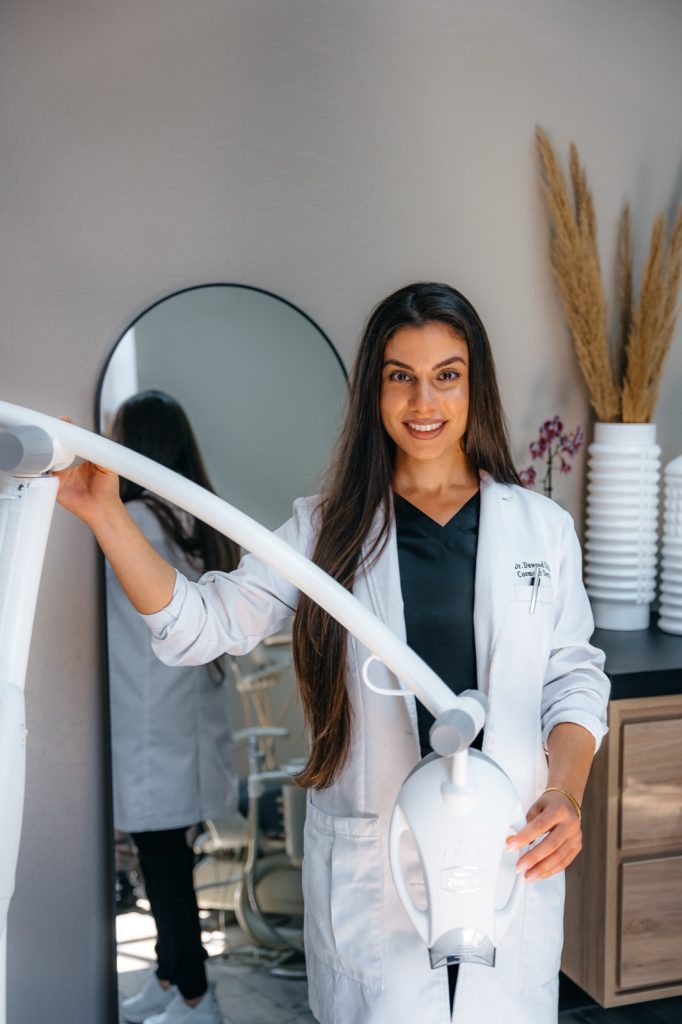
The coffee habit is close to universal among Gilbert professionals. Most patients drink 2-4 cups daily, sometimes more, and over years the cumulative staining is visible enough to notice in photographs, video calls, and mirrors. Coffee stains teeth more efficiently than almost any other food or beverage. Here’s how staining actually works, what removes it, what doesn’t, and how to maintain whitening results while continuing to drink coffee.
Why coffee stains teeth so effectively
Three factors combine to make coffee unusually efficient at discoloring teeth:
Tannins. Coffee contains polyphenolic compounds (tannins) that bind to dental enamel. These organic molecules accumulate on the tooth surface and penetrate the outer enamel layer over time.
Acidity. Coffee has a pH around 4.5-5.0, acidic enough to temporarily soften enamel, making it more susceptible to absorbing staining compounds. Each cup creates a 20-30 minute window of enamel vulnerability.
Frequency of exposure. Patients who sip coffee over 2-3 hours expose teeth to tannins and acid for the entire duration. Chugging the same coffee in 10 minutes causes substantially less staining than sipping it over an hour.
The end result: visible yellowing and occasionally brownish staining of front teeth, especially along the gum line where coffee residue tends to accumulate and where enamel is thinner.
Surface stain vs intrinsic discoloration
Understanding the difference determines what will work to fix it.
Surface (extrinsic) stains sit on or just within the outer enamel layer. Created by coffee, tea, wine, and tobacco. Removable by polishing, whitening, or abrasive mechanical methods. The majority of coffee staining is this type.
Intrinsic discoloration is built into the tooth’s internal structure, dentin. Caused by aging (dentin yellows naturally), certain medications during tooth development (tetracycline is the classic example), excessive fluoride during development (fluorosis), trauma that affected tooth vitality, or root canal therapy on certain teeth. Not removable by surface treatments; responds partially to professional whitening that penetrates past enamel into dentin.
Most patients asking about coffee stains have some combination: heavy surface staining on top of modest intrinsic aging. Whitening addresses both but with different effectiveness on each component.
What actually works: evidence-based options
1. Professional cleaning (removes surface stain)
Every routine cleaning includes polishing that removes accumulated surface stain. Many patients notice their teeth look noticeably brighter after a cleaning even without any whitening treatment. Effect is temporary. Within 3-6 months of continued coffee drinking, surface staining returns to baseline. Cost: $150-$250 for cleaning with exam; typically 80-100% insurance coverage.
2. Custom tray whitening at home (most cost-effective)
Custom-fit trays made from impressions of your teeth plus professional-strength carbamide or hydrogen peroxide gel. Worn 30-60 minutes daily or overnight for 2-3 weeks initially, then shorter maintenance cycles. Produces 4-8 shade lightening for most patients. Lasts longer than surface polishing because the whitening penetrates past surface into dentin.
At Glisten Dental Studio: $250-$450 for the initial trays and gel. Refill gel syringes for touch-up whitening: $30-$80. Best cost-effectiveness ratio in cosmetic dentistry.
See our whitening treatment page.
3. In-office whitening (fastest dramatic result)
Single 90-minute appointment. Higher-concentration peroxide gel activated with LED light. Typically 6-10 shades lighter immediately. Some patients experience transient cold sensitivity for 1-3 days. Cost: $400-$700. Best for patients with an event and a fast timeline (wedding, photography session, big presentation) or who won’t commit to 3 weeks of daily tray wear.
4. Combination approach (best overall results)
In-office whitening for dramatic immediate result followed by custom tray maintenance weekly or biweekly to maintain the lighter shade indefinitely despite continued coffee drinking. Cost: $700-$1,000.
What doesn’t work well for coffee stains
Charcoal toothpaste: abrasive. Removes some surface stain temporarily but damages enamel over time, ultimately making staining worse as microscratches trap pigment more effectively. No credible evidence of long-term whitening benefit.
Whitening toothpastes (baking soda, hydrogen peroxide formulations): mild effect primarily from increased abrasiveness. Can lighten surface stain by 1-2 shades over weeks. Don’t penetrate into dentin. OK as maintenance, inadequate as primary treatment.
Oil pulling: no credible evidence of whitening. Folk remedy with modest anti-inflammatory effect at best.
Fruit-based home remedies (lemon juice, strawberry paste, apple cider vinegar): actively harmful. The acidity erodes enamel, making teeth more prone to future staining and sensitivity. Don’t do this.
Over-the-counter whitening strips: produce 2-4 shades lightening for most patients. Less than custom trays, more than whitening toothpaste. Reasonable for mild cases or trial runs. Crest 3D White Strips have the most research behind them among OTC options.
Maintenance while continuing to drink coffee
The goal isn’t to quit coffee; it’s to maintain whitening results despite continuing the habit. Strategies that actually help:
- Rinse with water after drinking coffee. 10-15 seconds of swishing water through the mouth clears acids and tannins before they bond to enamel. Simple, free, measurably effective.
- Wait 30-60 minutes before brushing after coffee. Coffee acid softens enamel temporarily. Brushing immediately while enamel is soft causes more damage than waiting. Rinse first; brush later.
- Use a straw when practical. Iced coffee and cold brew through a straw bypass most of the front teeth. Probably the highest-leverage behavioral change for heavy cold-coffee drinkers.
- Finish coffee within defined windows. 20-minute drinking windows cause substantially less staining than 2-hour sipping. The frequency of acid exposure matters more than total quantity.
- Maintenance whitening. Single-day tray use every 1-2 weeks maintains shade indefinitely.
- Consider switching to lower-stain alternatives part of the time. Tea stains less than coffee (herbal tea stains almost not at all). Espresso stains more than drip coffee per ounce.
What about the “Gilbert professional” factor
Patients in client-facing roles, lawyers, sales, real estate, healthcare professionals, often have specific cosmetic concerns about teeth. Three observations from our practice:
Video calls have intensified tooth visibility. Zoom lighting angles and ring lights make teeth look darker than they appear in normal conversation. Many patients seek whitening after seeing themselves on video more than from mirror observations.
Balance matters. Going too white looks artificial and can undermine professional credibility in some contexts. We target shades that are lighter than your baseline but appropriate for your face, skin tone, and age. The “Hollywood bright” A1 shade is rarely what a 45-year-old attorney actually wants.
Maintenance is the real commitment. Initial whitening is easy; keeping teeth bright over 5-10 years while continuing the coffee habit requires ongoing attention. We build maintenance into the plan from the start.
When stains aren’t just from coffee
If teeth look darker than you’d expect given your coffee consumption, rule out:
- Tetracycline staining: from antibiotic exposure during tooth development (under age 8). Deep gray or brown intrinsic bands. Partially responds to whitening; severe cases often need veneers.
- Tooth trauma: a single tooth darkening after injury, even years earlier, indicates pulp necrosis. Usually needs root canal (see our emergency guide) before whitening is effective.
- Fluorosis: white mottled spots, sometimes with brown areas. Doesn’t respond to whitening; can be masked with microabrasion, bonding, or veneers.
- Aging: dentin yellows over decades regardless of diet. Normal and can be lightened by whitening that penetrates into dentin (not just surface whitening).
Scheduling in Gilbert
Call 480-331-4955 for a whitening consultation at Glisten Dental Studio. We evaluate your specific staining pattern, recommend the approach that fits your timeline and budget, and build a maintenance plan that works with (not against) your coffee habit.